

A speed oven is a good way to serve paninis fast. It combines several heat sources in one compact countertop unit, so a toasted sandwich that takes minutes on a conventional grill can be ready in well under a minute. What matters is picking a model with the right capacity and controls, then building a repeatable recipe around it. This guide covers both, for cafes, delis, bakeries and takeaways in the UK.
TL;DR
- A speed oven combines heat sources such as convection, grill and a heated base, so a panini is toasted, not just warmed.
- Manufacturer guidance for a chilled toasted sandwich puts cooking at roughly 40 to 50 seconds, depending on oven power.
- Choose by capacity per cycle, programmable recipes, ease of cleaning and the electrical supply you have.
- Consistency comes from the same start temperature, the same thickness and weight, and locked recipe settings.
- A contact grill suits a menu that is only pressed sandwiches. A speed oven suits a menu that also includes pastries, wraps and reheated items.
Table of Contents
- What a speed oven does to a panini
- How long does a panini take?
- Speed oven or contact panini grill?
- How to choose a speed oven for paninis
- Setting up a panini recipe
- Keeping results consistent at peak
- Cleaning, care and safety
- What else a speed oven can do for the menu
- Find the right oven for your sandwich menu
- FAQ
- Sources
What a speed oven does to a panini
A conventional contact grill presses and toasts from above and below. A speed oven works differently. It combines several heat sources in one cavity and lets you adjust each of them. The CIBO guide, for example, tells operators to adjust the time, temperature and the convection, grill and heated-base sources when they develop a recipe. That is the reason a speed oven can heat a thick filling through while still colouring the bread.
For a panini, that means three things in practice:
- The filling heats through quickly. Cheese melts and cooked ham is hot in the middle, rather than just warm at the edges.
- The bread gets colour and crunch from the grill and base elements, not just from the surface contact.
- The cycle is short and repeatable, so the person at the counter does not have to watch the sandwich.
The result is not identical to a heavy pressed sandwich with deep ridges. If you want that look, use a press accessory, where the model supports one, or a dedicated contact grill alongside. We cover both options below.
How long does a panini take?
Times depend on the oven’s power, the bread and the filling, so treat any figure as a starting point. One published reference is the cooking profile guide for the Merrychef eikon e2s, which lists a chilled toasted sandwich at 40 to 50 seconds, depending on oven power. Compare that with the several minutes a sandwich spends on a typical griddle or contact grill, and the appeal in a lunch rush is clear.
A few practical points when you dial in your own timing:
- Test with your actual bread. A dense sourdough and a soft ciabatta behave differently.
- Test with your real fillings at the temperature they come out of the fridge, not at room temperature.
- Change one variable at a time: time first, then temperature, then the heat sources.
- Write down the final settings and the exact build of the sandwich, including weight.
Speed oven or contact panini grill?
This is the most common decision for a new sandwich menu, and the honest answer depends on what else you serve.
| Question | Speed oven | Contact panini grill |
|---|---|---|
| Best for | A mixed menu: paninis, wraps, pastries, breakfast items, reheated dishes | A menu built around pressed sandwiches |
| Heat | Several sources, adjustable per recipe | Plates above and below |
| Operator skill | Low once recipes are programmed | Low, but pressing and timing are manual |
| Look | Evenly toasted, depending on settings | Classic ridged marks |
| Range of foods | Wide | Narrow |
If your counter sells nothing but pressed sandwiches, a contact panini grill gives you the traditional ridged finish in a simple unit. If paninis are one item among several, a speed oven lets one compact appliance cover more of the menu. Many busy sites run both, with the grill doing the signature pressed sandwich and the speed oven handling everything else at peak.
How to choose a speed oven for paninis
Spec sheets list a lot of numbers. These are the criteria that change how a panini line performs day to day.
Capacity per cycle
Capacity varies by model. Merrychef describes its newer conneX 16 as allowing up to four paninis to be pressed at once, with other products able to cook on trays placed on top of the press. Work out your busiest quarter hour. If you need to produce twelve sandwiches in that window, a single-sandwich cycle of 45 seconds will not keep up, and a larger cavity or a second unit makes sense.

Programmable recipes and locked settings
The point of a speed oven is that anyone on shift gets the same result. Look for a touchscreen where you can store menu items. The CIBO range, for instance, lets operators customise recipe settings on the QPad touchscreen and protect them with a PIN lock, so results do not depend on who is operating it. If you run more than one site, check whether menus can be copied between ovens. The same brochure notes that CiBO menus can be cloned and shared between sites via USB.
Footprint and counter position
Speed ovens are made for places where space is tight. Merrychef positions its conneX series for front-of-house environments where space is at a premium, cutting the need for several separate appliances. Measure the counter, the clearance needed around the unit and where the door opens before you buy.
Power supply
Countertop speed ovens draw a lot of power for their size. Ask your electrician what your supply can carry alongside your other equipment. A compact model such as the CIBO/S countertop fast oven rated at 2.7 kW suits many small sites, but confirm the supply before ordering.
Cleaning
Cleaning time is a running cost. Merrychef states that its cavity liner cuts cleaning labour time by 76%. That is the manufacturer’s own figure, but it shows what to look for: removable liners, smooth surfaces and accessories that lift out easily.
Setting up a panini recipe
Treat the recipe as a small piece of kitchen specification, not a one-off guess.
- Fix the build. Decide the bread, the slice thickness, the weight of filling and the order of layers.
- Standardise the start. The CIBO guide recommends using the same start temperatures, keeping foods the same thickness and weight, and loading them uniformly for speed and consistency. A sandwich straight from the fridge and one that sat on the pass for ten minutes will not cook alike.
- Run test cycles. Start with the manufacturer’s suggested profile, then adjust time and heat sources.
- Check the centre. Cut the sandwich open and check the filling is properly hot before you sign off the recipe.
- Save and lock it. Store it under a clear name, such as “Ham and cheese”, and lock it so it is not changed mid-service.
Open or closed?
The same CIBO guide says paninis and sandwiches should be cooked open for the fastest results. Check what your model’s manual says. Where a press accessory is available for your oven, a pressed finish may be worth the extra handling, and the dedicated paddle that comes with some press accessories makes loading and unloading safer.
Protecting the oven base
When you cook directly on a glass base, the CIBO guide recommends a Teflon sheet. It also advises against continual cooking of high-fat proteins. If your menu has a lot of bacon or sausage sandwiches, plan the cooking order and cleaning breaks accordingly.

Keeping results consistent at peak
The lunch rush is where a sandwich line wins or loses. Online and delivery orders can arrive in bursts, which is one reason online food ordering for restaurants puts pressure on the kitchen to turn tickets quickly and predictably. A speed oven helps if the process around it is set up well.
- Prep ahead. Build sandwiches during quiet periods and keep them chilled in a consistent way.
- One recipe, one button. Do not let staff tweak settings. Lock them.
- Stagger the load. If the oven takes two sandwiches, load two, not one and a half of something else.
- Name the stations. One person loads, one person boxes and serves. It avoids double handling.
- Share across sites. If you have several locations, copy the same recipe set across them so the menu tastes the same everywhere.
A practical tip: keep a laminated card by the oven with the sandwich name, the build, the program number and what the cooked product should look like. New staff learn it in minutes.
Cleaning, care and safety
A speed oven that is cleaned at the end of each shift will behave the same in month twelve as in month one. Some basics:
- Let the oven and any press accessory cool before handling. Merrychef’s guidance is to lift the panini press out for cleaning only once it has cooled.
- Use the cleaning products and tools the manufacturer approves for the cavity and the glass.
- Keep the air intake and filters clear, as the manual describes.
- Do not leave grease to build up. It affects colour, smell and, over time, performance.
We have a separate guide on speed oven maintenance for professional kitchens covering routine tasks in more detail. Whatever you buy, keep the user manual to hand and follow its instructions. Food safety is your responsibility as the operator, so check cooked sandwiches reach a safe core temperature under your own HACCP procedures.
What else a speed oven can do for the menu
A panini line is often the way in, but the same oven can also warm pastries at breakfast, finish wraps and toast flatbreads at lunch, and reheat soups or pre-cooked items. This is where a speed oven pays back. One unit in a small kitchen is working through breakfast, lunch and afternoon without being reconfigured. If your menu includes bakery items made on site, our bakery ovens and convection ovens cover the baking side, while the speed oven handles the quick finishing and reheating.
Our view on speed ovens for paninis
We talk to cafe and kitchen owners about this every week, and the pattern is the same. They start by asking which oven makes the best panini, and they end up asking which oven suits the whole menu.
Our advice is to begin with the busiest fifteen minutes of your day. Count the sandwiches you need to produce, think about who will be at the counter, and choose the oven that gets you through that window without fuss. A speed oven with locked, programmable recipes means a new starter on a Saturday can produce the same sandwich as your most experienced chef.
We would also say: do not buy on the headline speed alone. Check the power supply, the cleaning routine and how the controls feel to use. Those decide whether the oven is a pleasure or a chore after six months.
Our team can help you match a model to your menu and your site, and arrange professional installation, so the oven arrives ready to work.
Simon
Find the right oven for your sandwich menu
We supply commercial ovens from leading manufacturers, including speed ovens, and our team gives personalised advice on what suits your kitchen. We also offer professional installation and flexible payment options, including iwocaPay and lease finance, so you can spread the cost of equipment. Browse the full commercial ovens range, or talk to us about your menu before you choose.
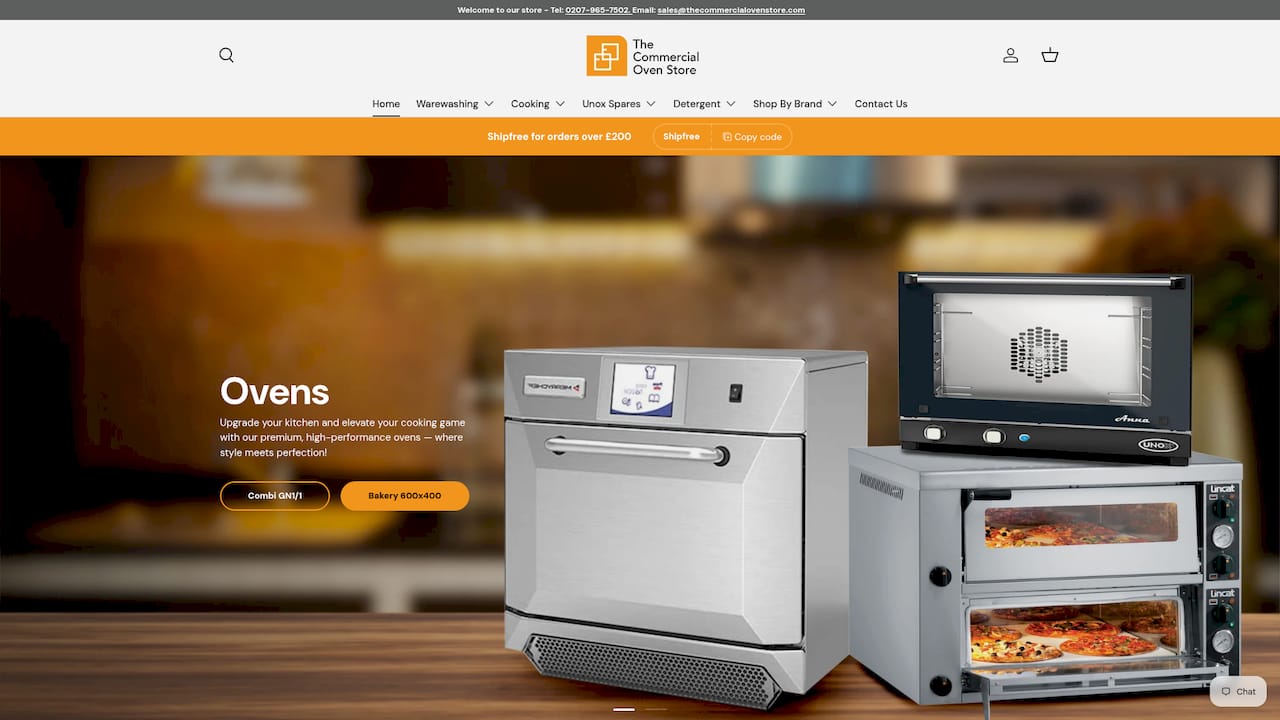
If you are comparing models, the CIBO/S countertop fast oven is a good place to start for a compact counter, and our panini grills are there if you want a classic pressed finish alongside it.
FAQ
Can you really make a proper panini in a speed oven?
Yes. A speed oven toasts the bread and heats the filling through in a short cycle, and many models let you adjust the heat sources to suit your bread. For a deeply ridged pressed look, choose a model with a press accessory or add a contact grill.
How long does a panini take in a speed oven?
It depends on the model, power, bread and filling. As a reference, one manufacturer’s guide lists 40 to 50 seconds for a chilled toasted sandwich, depending on oven power. Always test with your own recipe and check that the centre is hot.
Should paninis be cooked open or closed?
Follow your oven’s manual. The CIBO guide says paninis and sandwiches should be cooked open for the fastest results. Models with a press accessory let you cook closed for a pressed finish.
How do I keep every panini the same during a rush?
Standardise the build, use the same start temperature and weight, and lock your recipe settings so nobody changes them mid-service. Programmable ovens with PIN-locked recipes are designed for exactly this.
Is a speed oven only for paninis?
No. It also suits pastries, wraps, breakfast items and reheated dishes, which is why it works well in cafes and bakeries with a varied menu.
Sources
- Lincat CIBO high speed oven quick start guide
- CIBO high speed cooking line-up brochure
- Merrychef eikon e2s cooking profile guide
- Merrychef accessories
- Merrychef conneX 16