

Combi oven auto cleaning is a built-in, programmable cycle that washes, rinses, and dries the cooking cavity using sealed detergent cartridges or automatic dosing, without a member of staff touching a scourer or a bottle of chemical. The short verdict: for any kitchen running a combi oven daily, it earns its keep. It cuts steward hours, produces a digital record for HACCP audits, and protects the steam generator from the scale and grease build-up that shortens an oven’s working life.
When you’re comparing ovens or specifying a new one, look for three signals before anything else:
- AutoDose or sealed cartridges — automatic chemical dosing with no manual handling
- A range of cycle lengths — from an express clean under 15 minutes to a full heavy cycle
- Digital HACCP logging — a record you can pull up or export at inspection
Rational’s own testing on the iCombi Pro points to an ultra-fast interim clean of around 12 minutes in some modes, which tells you how far this technology has moved beyond the old “run it overnight and hope” approach.
Key Takeaways
Combi oven auto cleaning combines automatic dosing, tiered wash cycles, and digital HACCP logging to cut labour hours while extending equipment life.
| Point | Details |
|---|---|
| Check preconditions first | Confirm water pressure, drain access, and door seal before relying on any auto-clean cycle. |
| Match cycle to soiling | Use express or light cycles for quick services and heavy cycles overnight after busy days. |
| Budget for cartridges | Ask suppliers for real replacement costs on AutoDose or sealed cartridges before buying. |
| Separate cleaning from descaling | Descale every three to six weeks in hard-water areas regardless of how often the oven auto-cleans. |
| Buy from a specialist supplier | Thecommercialovenstore supplies Rational and Unox AutoDose ovens with demos and iwocaPay financing available. |
Table of Contents
- How does combi oven auto cleaning actually work?
- What operational benefits does auto cleaning deliver?
- What to check at a demo or before you buy
- What’s a sensible daily and weekly cleaning routine?
- How does water hardness affect descaling and cleaning performance?
- What do buyers get wrong at demos?
- Why AutoDose and HACCP logging matter more than brand loyalty
- How Thecommercialovenstore gets you set up with the right oven
- Sources
How does combi oven auto cleaning actually work?
The mechanics are simpler than most managers expect, but the sequence matters. Understanding it properly means you can spot a genuinely capable system at a demo instead of taking a sales pitch at face value.
- Soiling detection or manual selection. Some ovens, including Rational’s iCombi Pro, assess how dirty the cavity is and suggest a programme; others leave the choice to the operator.
- Cycle selection. You choose from tiers such as light, standard, or heavy, often with a Normal and an Eco variant of each.
- Automatic dosing. Detergent is drawn from a sealed cartridge or an AutoDose reservoir, so nobody measures or pours chemical by hand.
- Wash, rinse, dry. The oven runs its internal sequence unattended, finishing with a rinse and dry stage before it’s safe to reopen.
- Digital confirmation. A completed cycle is logged, often with a timestamp that feeds into your HACCP record.
Cycle tiers exist because not every service needs the same treatment. A quick lunch service producing light grease might only need a 30 to 60 minute clean, while a heavy roasting or baking session can justify a two to four hour intensive cycle overnight. Express and eco modes trade some cleaning depth for speed and lower water and detergent use, which is exactly why the choice between them should depend on what actually happened in the oven that day, not habit.
Before any cycle can run, the oven checks its preconditions: adequate water pressure, a clear drain, and a closed door. Sealed cartridge systems like WaveClean go further, running an automatic water pressure check before the cycle begins so a blocked line doesn’t cause a failed wash halfway through service.
What operational benefits does auto cleaning deliver?
The case for auto cleaning rests on four things: time, consistency, staff safety, and equipment life. Automated cleaning cycles are widely credited with cutting labour time and lowering operating costs in high-use kitchens, because a programmed cycle running overnight doesn’t need a chef standing over it with a scourer at 11pm.
- Consistency over manual scrubbing. A programmed cycle reaches the same spots every time, closing off the blind corners manual cleaning tends to miss.
- Lower chemical exposure. Sealed cartridge systems remove the need for staff to measure or pour detergent by hand.
- Longer equipment life. Rational links regular automatic cleaning to less grease and scale build-up, which means fewer spare-part failures over the oven’s lifespan.
- Freed-up staff time. Fewer hours on manual cleaning means more hours on prep, service, or training.
Manufacturers building sealed two-in-one cartridge systems consistently pitch staff safety and dosing accuracy as the headline reason to move away from loose chemicals, and it’s a fair argument. A cartridge that meters its own dose removes an entire category of kitchen accident.
What to check at a demo or before you buy
A demo is where marketing claims either hold up or fall apart. Bring this checklist and you’ll leave with answers instead of impressions.
- AutoDose or cartridge mechanics. Ask how refills work, how often cartridges need replacing, and what a replacement actually costs, not just the headline price of the oven.
- Cycle range and scheduling. Confirm the oven offers express, eco, standard, and heavy cycles, and check whether cycles can be scheduled to run unattended overnight.
- HACCP and digital logging. Ask whether cleaning cycles log automatically and whether those records export in a format your auditor will accept.
- Water, drain, and descaling specs. Confirm the water pressure and drain requirements match your kitchen’s plumbing, and ask what descaling support is built in.
- Training, warranty, and finance. Ask what training comes with installation, what the warranty covers, and whether flexible payment options such as iwocaPay are available.
Pro Tip: Ask the supplier to run a full heavy cycle during the demo, not just the express clean. Suppliers default to the fastest, most impressive-looking cycle, and that’s the one you’re least likely to actually rely on overnight.
Models like the Rational iCombi Pro 10 GN1/1 and the smaller Rational i-Combi Pro 6 GN1/1 both carry AutoDose as standard, which is worth comparing directly against any oven without sealed dosing.
What’s a sensible daily and weekly cleaning routine?
Auto cleaning only delivers on its promise if it becomes a habit built into the shift pattern, not an afterthought bolted on when the kitchen’s already exhausted.
- Daily. Wipe down the exterior, remove racks and trays for separate cleaning, and run a light or express clean after lighter services.
- Nightly. After a busy or heavy-soiling day, run a standard or heavy cycle overnight, confirming the water supply and drain are both open before you leave.
- Weekly or fortnightly. Schedule a full heavy clean and physically inspect door seals and steam nozzles for early signs of limescale.
- As needed. Lean on an ultra-fast interim clean between services when time is tight, but treat it as a top-up, not a substitute for the nightly cycle.
Even the best auto-clean system won’t handle everything, so following a detailed step-by-step cleaning procedure ensures thorough hygiene for all equipment. Racks, trays, and the occasional stubborn residue from sugary or fatty cooks still need manual attention, so build five minutes for that into the closing routine rather than discovering it at 7am.
Pro Tip: Assign the nightly clean cycle to the same person each shift. Ovens left on the wrong cycle, or with the door not properly shut, are the most common reason auto clean gets blamed for problems it didn’t cause.
How does water hardness affect descaling and cleaning performance?
Cleaning removes grease and food residue. Descaling removes mineral deposits from hard water, and it’s a separate job that auto-clean cycles don’t fully replace on their own.
- White limescale forming around the steam nozzle is usually the first visible sign.
- Longer steam-up times or noticeably weaker steam output both point to scale building up inside the generator.
- In hard-water areas, expect to descale roughly every three to six weeks, though your manufacturer’s own guidance should always take priority over a general rule.
- Manufacturer-approved care tabs and scale inhibitors protect the steam generator, and ovens with automatic scale detection flag the problem before it causes a breakdown.
Practically speaking, automatic scale detection paired with a protective care tab does more for uptime than a faster express clean ever will. It’s the difference between catching a problem early and calling out a technician after the steam generator has already failed.
What do buyers get wrong at demos?
Working demos across kitchens buying their first AutoDose-equipped oven, the same two mistakes come up repeatedly. Buyers check the cycle times and the cavity size, then forget to confirm their water pressure and drain layout can actually support the oven they’re about to install. The second mistake is worse: nobody asks what a replacement cartridge costs until the first invoice arrives, by which point it’s too late to negotiate.
The ovens that disappoint kitchens are never the ones with weak cleaning cycles. They’re the ones installed without checking the plumbing could support them properly in the first place.
— Simon, The Commercial Oven Store
Why AutoDose and HACCP logging matter more than brand loyalty
Most buying advice on combi ovens still gets pulled toward brand comparisons, arguing over which manufacturer’s badge looks better on the door. That’s the wrong starting point. The feature that determines whether an oven earns its keep over five years is the cleaning system underneath the badge: whether dosing is automatic, whether cycles are genuinely flexible, and whether the HACCP record writes itself.
Conventional advice also underplays descaling, treating it as a footnote to cleaning rather than a separate discipline with its own cadence. Kitchens that ignore water hardness end up with steam generator failures that no amount of express cleaning would have prevented.
If you take one thing from this, prioritise the plumbing and the running costs before the brand name. Confirm your water pressure and drain can support the oven you want, get a straight answer on cartridge replacement costs, and only then start comparing cycle times between models. Get those fundamentals right and the auto-clean feature does exactly what it promises: quietly, every night, without anyone having to think about it.
How Thecommercialovenstore gets you set up with the right oven
Thecommercialovenstore is where you go to skip the guesswork on AutoDose and cartridge features, because we supply and demo the ovens directly rather than leaving you to compare spec sheets alone. We stock Rational and Unox combi ovens with AutoDose as standard, and we can arrange an on-site demo so you see the cycle range and dosing system working in your own kitchen before you commit.
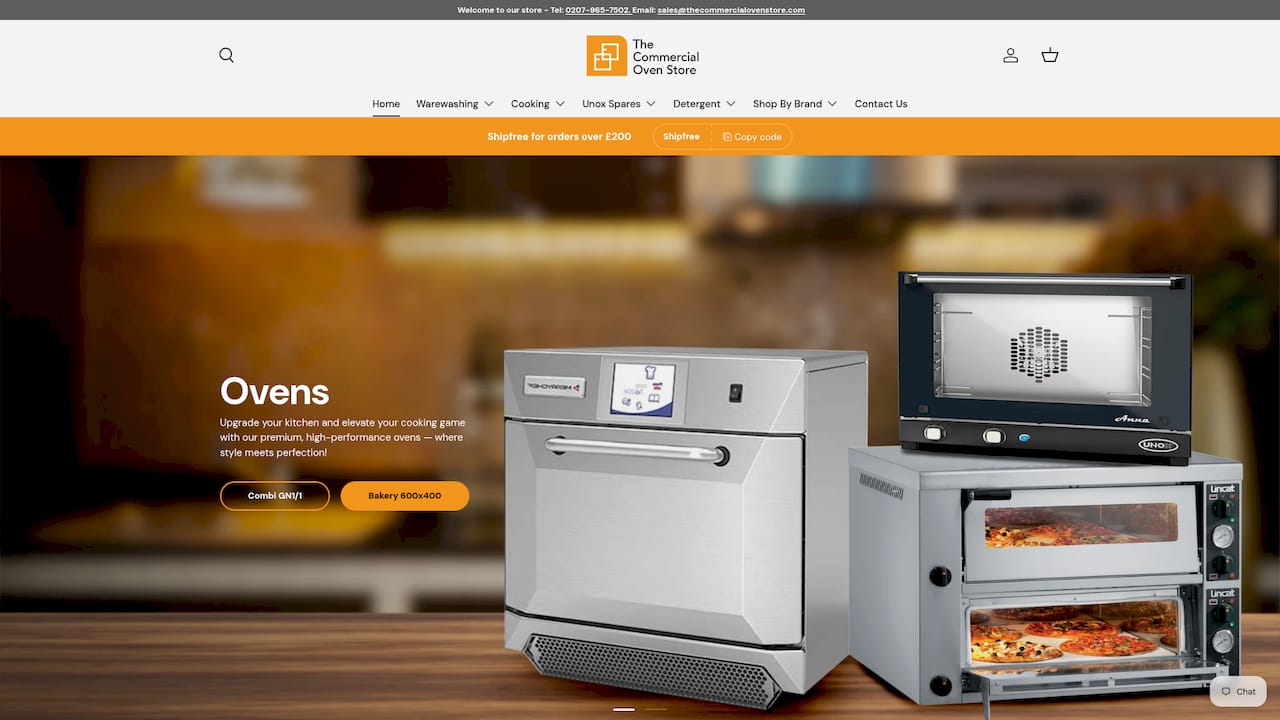
Buying outright isn’t always the right call for a growing kitchen, so we offer flexible payment through iwocaPay alongside full spec sheets and installation support, meaning you’re not choosing between the right oven and your cash flow. If you’re ready to compare models properly, request a demo or tailored quote and we’ll walk you through which AutoDose configuration actually fits your service volume and water setup.
Sources
- How to Clean a Combi Oven | Complete Guide – Commercial Kitchen Store
- Hygiene without compromise - iCombi Pro
- How WaveClean Keeps FlexFusion Combi Ovens Clean Automatically - Henny Penny
- Self-Cleaning Features in Modern Combi Ovens: A Practical Solution to Save Time and Operational Costs | Mastrada