

For most mixed-menu, space-constrained kitchens, switching to an electric combi oven is the right call. One appliance replaces several, throughput improves and menu flexibility increases without extending your floor plan. The trade-off is upfront: electrical supply, water treatment and drainage all need checking before you order, or commissioning day turns into a delay.
TL;DR:
- Most kitchens should upgrade to electric combi ovens because they consolidate multiple appliances, saving space and increasing menu flexibility.
- Installation requires careful site preparation, including confirming electrical supply, water filtration, drain slope, and ventilation, to prevent delays.
- Payback periods for high-efficiency models typically range from 18 to 36 months, depending on oven usage and actual operational costs versus estimates.
- Staff training should focus on recipe programming and load monitoring, with maintenance routines limited to filtration, descaling, gasket checks, and scheduled servicing.
- Working with a supplier that manages site surveys, installation, and training reduces risks of delays and ensures proper sequencing and compliance.
Table of Contents
- What does an electric combi oven actually deliver?
- What will it cost, and when does it pay back?
- Site-readiness: the checklist most buyers skip
- Training, recipes and the maintenance routine that protects your investment
- Your procurement checklist before you order
- What installers wish buyers knew before switching
- How Thecommercialovenstore gets you from decision to commissioned oven
- Sources
What does an electric combi oven actually deliver?
A combi oven fuses steam and convection into one unit, so it bakes, roasts, steams, proves and regenerates from a single footprint that would otherwise need three or four separate appliances. That consolidation is the whole argument for the switch to electric combi ovens in kitchens where every square metre already earns its keep.
The functional gains show up fastest on the pass. Combi ovens can cut cooking times by roughly 15 to 30% compared with convection-only cycles in many applications, and steam injection reduces moisture loss in proteins, so yield improves alongside speed. That matters more on a Friday dinner service than any spec sheet does.
Menus with genuine variety benefit most: roasted proteins, banqueting batches, viennoiserie, and anything currently juggled between a convection oven, a steamer and a proving cabinet.
Statistic callout: Industry guidance from FCSI and Unox confirms that combi ovens replace multiple single-function appliances, freeing floor space while widening what a kitchen can produce from the same footprint.
The efficiency case extends to labour too:
- Fewer appliances to monitor during service
- Programmable recipes reduce reliance on any one chef’s memory
- Less pan-swapping between stations
- Consistent results across shifts, even with rotating staff
What will it cost, and when does it pay back?
Budget for three cost layers, not one: the oven itself, the installation works around it, and the ongoing running costs. CAPEX for a countertop electric combi typically sits well below a full floor-standing three-phase model, but installation is where quotes go sideways. Electrical upgrades, water filtration for scale control, and drainage modifications are the usual line items that catch buyers out.
Payback is where the numbers get persuasive. Market data from Mordor Intelligence puts the typical payback period for a high-efficiency combi upgrade at 18 to 36 months for full-service operations, once you count energy and water savings alongside the appliances it lets you retire. That range assumes decent utilisation. A kitchen running the oven for two covers a day won’t see the same curve as one running lunch and dinner service back to back.
- Ask suppliers for cooking-cycle energy draw, not just rated wattage
- Compare water consumption figures using ENERGY STAR’s commercial oven metrics, which cover both energy efficiency and water use for eligible combi models
- Factor in maintenance contracts, which tend to run lower than servicing three separate appliances
- Model payback against your actual daily covers, not an industry average
Pro Tip: Ask for the manufacturer’s idle energy consumption figure, not just the cooking cycle number. A combi oven left on standby between services can quietly erode your projected savings if idle draw is high.
Site-readiness: the checklist most buyers skip
Combi ovens are unforgiving about site preparation. Incomplete electrical, water or drainage work is the single most common reason installations stall on delivery day, and the equipment itself is rarely the problem.
- Confirm electrical supply first. Countertop units commonly run on single-phase power, while larger floor models typically need three-phase circuits. Get the manufacturer’s exact amp rating and check it against your switchboard capacity before ordering.
- Sort water filtration early. Scale build-up damages boiler elements faster than almost anything else in a combi oven’s operating life. A filtration and softening system suited to your local water hardness needs specifying alongside the oven, not after.
- Check drain slope and capacity. Retrofitting drainage after delivery is consistently the most disruptive fix on a commissioning schedule, so confirm floor penetration and slope during the site survey, not the week the oven arrives.
- Review ventilation and hood capture. Steam output changes extraction requirements compared with a straight convection oven; your hood needs to capture moisture, not just heat.
- Sequence the works properly. Site survey, switchboard quote, drainage works, delivery window, then commissioning under load, in that order. Skipping the survey to save a week almost always costs more time later.
The combi oven installation guide covers the pre-installation checks in more depth, including the questions to put to your electrician before the quote stage.
Because electric units skip gas fitting and combustion ventilation upgrades, electric combi installation is generally simpler than a gas equivalent, even though the electrical demand itself needs proper checking.
Training, recipes and the maintenance routine that protects your investment
The oven doesn’t run itself, but it does most of the thinking once it’s programmed correctly. Staff training should cover recipe programming, multi-stage cooking sequences, and how to monitor a load without opening the door every five minutes, since that habit alone extends cook times and wastes steam.
Maintenance is a short, repeatable list: filtration checks, descaling on schedule, gasket and door seal inspections, and a service contract that catches wear before it becomes downtime.
- Programme core recipes before go-live, not during the first week of service
- Keep a printed cheat sheet by the oven until the team is confident
- Stagger the rollout, running the combi alongside existing equipment for a fortnight rather than switching cold
Pro Tip: Programmable presets reduce how much depends on any single chef’s experience. Once the recipe library is built, a junior member of staff can produce consistent results the head chef would otherwise need to supervise directly.
Your procurement checklist before you order
Work through this before requesting quotes, not after:
- Map your menu mix and daily load. How many covers, how many functions does the oven need to replace, and where’s the growth heading over the next two years?
- Set your minimum spec. Pan capacity, footprint, electrical rating, and water/drain requirements should all be written down before you contact suppliers.
- Request a site survey. This is the single step that prevents most commissioning-day surprises.
- Get the installation schedule in writing. Delivery window, drainage works, switchboard upgrade, commissioning, all sequenced with dates.
- Confirm training and warranty terms. A service plan and staff training session should be part of the quote, not an afterthought you negotiate later.
What installers wish buyers knew before switching
The oven is rarely the reason a combi installation goes wrong. It’s the site works around it, an undersized switchboard, a drain that was never checked for slope, water hardness nobody tested. Every project I’ve seen stall at commissioning traces back to one of those three, not to the appliance itself.
Realistic timelines matter more than buyers expect. A proper commissioning run under load, testing multiple functions across a full service, catches issues a five-minute demo never will. Flexible finance changes the calculation too: spreading the cost of the oven and its installation together, rather than treating them as separate decisions, tends to produce a smoother project with fewer half-finished sites waiting on a second budget approval.
— Simon
How Thecommercialovenstore gets you from decision to commissioned oven
Thecommercialovenstore is the practical route from “we should switch” to a working oven on the line, without the guesswork of sourcing electrical contractors and water treatment separately. For kitchens with limited counter space, the Lincat CombiSlim range runs on single-phase power, which sidesteps the switchboard upgrades that stall larger three-phase installs.
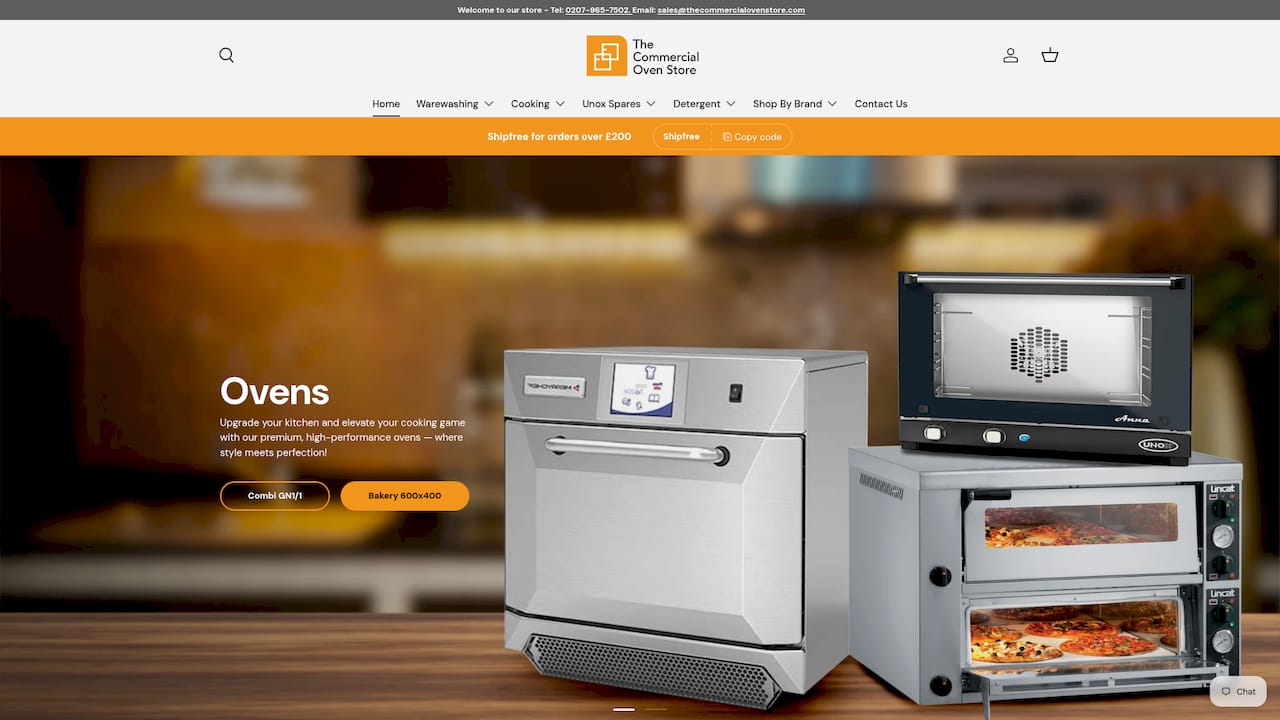
Beyond the oven itself, Thecommercialovenstore coordinates the site survey, installation scheduling and staff training that this guide has walked through, so the sequencing happens in the right order rather than being pieced together after delivery. For kitchens managing tight budgets, iwocaPay spreads the cost of the oven and its installation into manageable payments, rather than requiring the full outlay upfront.
If you’re ready to move past planning, request a site survey and get a tailored quote for your kitchen’s electrical, water and drainage requirements before you commit to a model.
Sources
- Commercial Combi Ovens Market — Mordor Intelligence
- FCSI / UNOX white paper — combi oven advantages (2026)