

Convection is the right starting point for most cafés: it handles pastries, batch bakes and reheats without the plumbing or venting demands of bigger equipment. Choose a speed oven instead if your queue lives or dies on a 90 second turnaround at the counter, and only look at combi or deck ovens if your menu genuinely needs steam-injected proving or stone-baked crust. Three things override every other factor: your menu, your busiest 15 minutes, and what your electrics and drainage can actually support. Get those wrong and no brand fixes it.
TL;DR:
- Pick convection ovens for menus that focus on pastries, muffins, and reheating, especially when utilities and space are limited.
- Choose combi ovens only if steam injection for proofing or crust control is essential and be prepared for plumbing and additional maintenance costs.
- For high-demand finishing tasks, parallel speed ovens can quickly serve individual orders, but batch baking is better suited to a properly sized convection oven.
- Utility costs, especially for ventilation and power upgrades, can significantly increase the total investment, often exceeding the oven’s purchase price.
- Proper site measurement, demand analysis, and utility assessment are crucial before purchasing to avoid costly sizing mistakes and installation delays.
Table of Contents
- Oven types for cafes: matching the cavity to the menu
- How do you choose the right oven for a café?
- What does oven installation actually cost?
- Sizing worked example for a small café
- Maintenance and how long your oven should last
- What actually determines a good cafe oven choice?
- Get a tailored quote for your café’s oven
- Sources
Oven types for cafes: matching the cavity to the menu
Every commercial oven does one of four jobs well, and cafés get into trouble when they buy for the job they don’t actually have.
Convection ovens use a fan to circulate hot air around food, which is why they bake evenly and forgive a bit of overcrowding on the tray. They’re the workhorse for pastries, muffins, tray bakes, and reheating pre-prepped items. Convection is widely considered the versatile all-rounder for exactly this reason, and it’s the sensible default if your menu is varied rather than specialist.
Combi ovens add steam to convection heat, giving you precise control over crust, moisture and rise. That makes them strong for viennoiserie, proving bread, and finishing dishes that need humidity control. The trade-off is plumbing: they need a water feed and drainage that a plain convection oven doesn’t.
Deck ovens cook via radiant heat from a stone or ceramic base, which gives sourdough and artisan loaves the crust that fan-driven air can’t replicate. Loading is manual, tray by tray, so throughput is slower and staff need to get comfortable with a peel.
Speed or fast ovens combine microwave, convection and sometimes impingement technology in one small cavity to cook a sandwich or panini in under two minutes. They’re built for the counter, not the kitchen, and they’re genuinely poor at raw dough, which needs slow, even heat rather than a rapid multi-technology blast.
- Convection: broad menu fit, tray-based, minimal utility demands
- Combi: steam and precision, needs water and drainage
- Deck: best crust, slower manual loading
- Speed: fastest single-item cycle, wrong tool for raw dough or batch baking
The starting question isn’t which brand to buy. It’s what you cook and how you produce it, because that determines everything downstream.
How do you choose the right oven for a café?
Work through this in order rather than jumping straight to specs sheets. Each step narrows the field before you ever need a supplier comparison.
- Map your top sellers. List your five best-selling items and the cooking step each one needs: bake, reheat, steam, grill, toast. If three of five are pastries needing a bake, convection wins by default.
- Calculate peak-window capacity. Take your covers in the busiest 15 to 30 minutes, convert that to portions, then to pans, then to oven cavities needed to clear that pan count in the same window. Sizing to peak demand rather than daily average is the single most common fix for cafés that bought too small.
- Measure the space properly. Width and depth are only the start. Factor door swing, loading and unloading clearance, and the path staff walk between the oven and the counter. Undersizing on footprint, not just capacity, is a frequent and expensive mistake.
- Decide speed versus volume. If your bottleneck is a queue of individual orders, prioritise fast cycle times over raw capacity. If it’s batch production before opening, prioritise tray count over speed.
- Score your options against the checklist. Rank two or three realistic oven types against menu fit, capacity, footprint and utility demands, then get quotes.
For deeper detail on pan formats and tray planning, our guide to commercial convection ovens for catering kitchens walks through the sizing logic step by step.
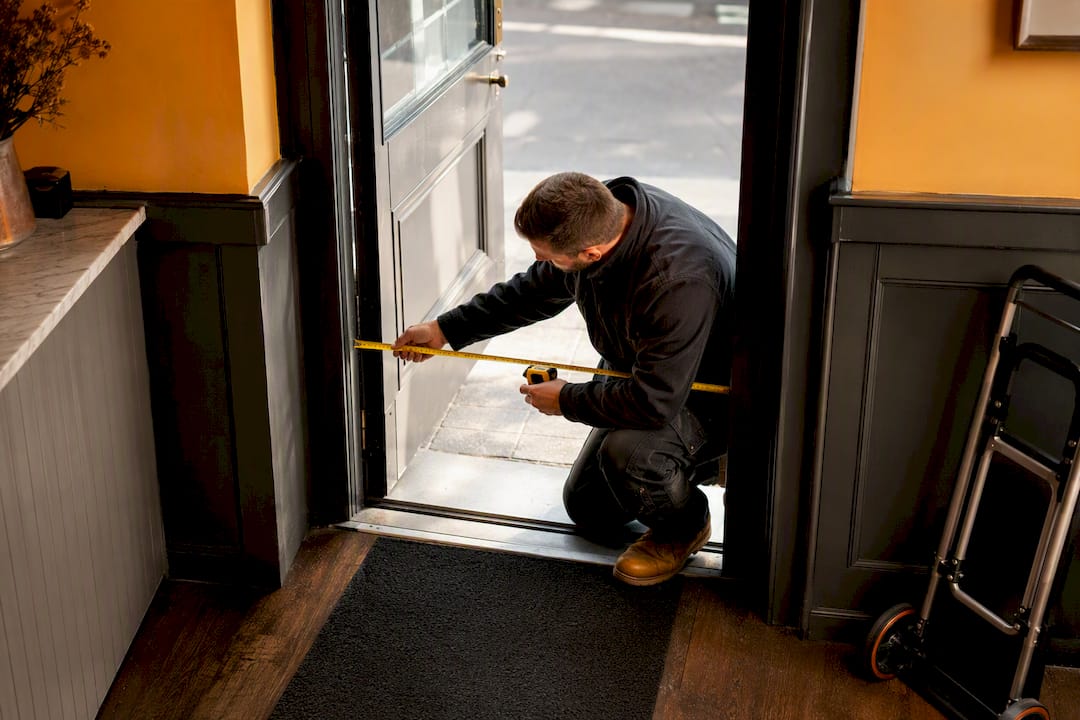
Pro Tip: Never finalise a purchase from a floor plan alone. Book an on-site measurement and get a written installation quote before you commit. What looks fine on paper regularly turns out to need a wider doorway or an extra 400mm of clearance once someone measures it in person.
What does oven installation actually cost?
The oven price tag is rarely the biggest number on the invoice. Utilities and ventilation usually are.
Electrical supply matters more than most buyers expect. A single combi or convection oven might run on standard single-phase power, but a larger unit or a second oven often needs three-phase supply, and that upgrade means an electrician, a consumer unit change, and sometimes a call to your distribution network operator. Ask your installer what amperage the model draws before you assume your existing supply is enough.
Gas ovens need a certified installer working to Type B installation standards, plus a gas safe regulator check. Budget for that inspection as a fixed cost regardless of oven size.
Ventilation is where costs escalate fastest. A gas-powered oven or anything producing significant grease-laden air typically needs a hood and extraction, and installations commonly run between £3,000 and £8,000 depending on ducting length and whether you need a roof penetration. Long duct runs and structural work push you to the top of that range fast.
Cost snapshot: Extraction and canopy work sits at £3,000 to £8,000 for most café-sized installations, and it’s frequently the single largest line item in the entire project.
Some countertop speed ovens use catalytic converters that break down grease, which can remove the need for a hood entirely. But exemptions depend on your local authority, not the manufacturer’s marketing. Confirm with your council before you plan a layout around going ventless.
- Combi ovens need a water feed, drainage and an RPZ valve, which requires annual testing as a recurring cost.
- Gas installations require a certified Type B installer.
- Ventless claims must be verified with your local authority before you rely on them.
Sizing worked example for a small café
Say your busiest 15 minutes sees 30 covers, and half of those want a warmed pastry finished to order. That’s 15 portions in 15 minutes.
- If each tray holds 6 pastries and takes 4 minutes to finish, you need roughly 2.5 pans cycled inside that window.
- A single half-size convection oven running two racks can usually clear that in one or two loads, assuming pre-loading between services.
- Two countertop speed ovens running in parallel can also clear it, cycling individual portions in under 2 minutes each, but they cost more in duplicate units and give you no batch capacity for the quiet periods either side of the rush.
The rule of thumb: if your peak load is a burst of individual finishing tasks, speed ovens in parallel win. If it’s a steady stream of tray-based bakes, one correctly sized convection oven usually beats two smaller units on both cost and simplicity. For bakery-heavy menus, our convection oven guide for bakeries breaks down tray maths for higher-volume production.
Maintenance and how long your oven should last
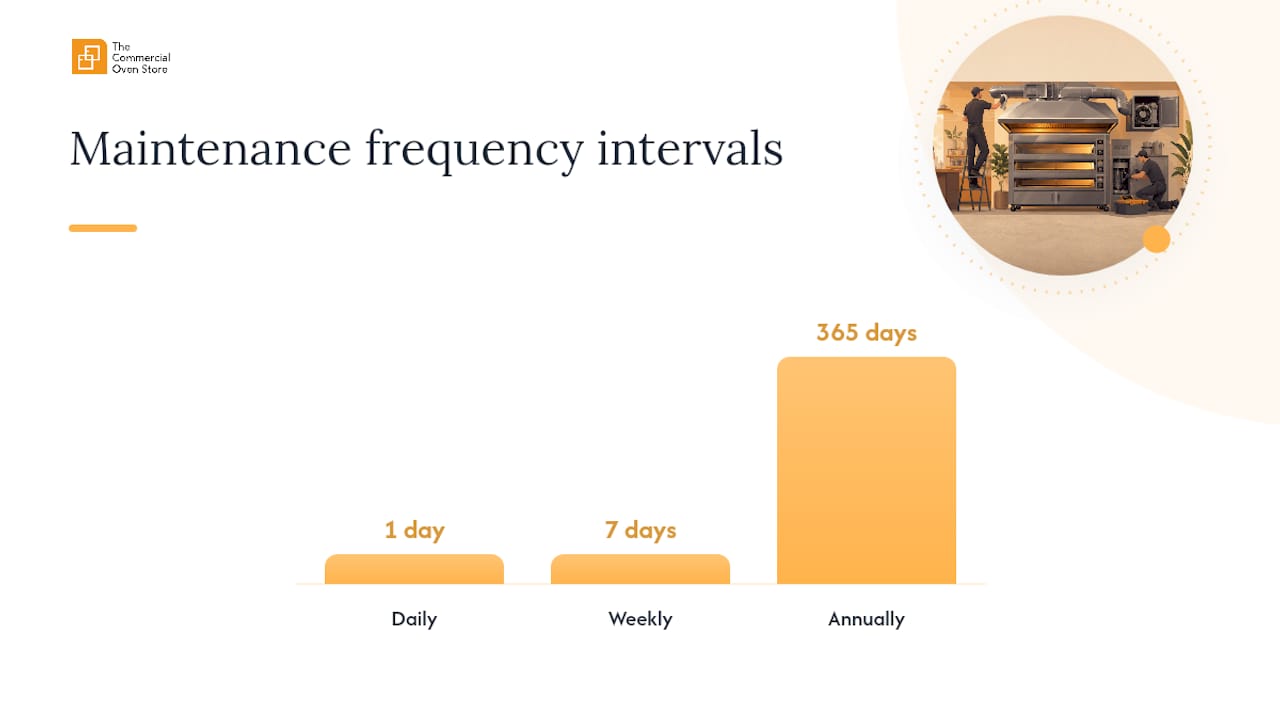
Daily wipe-downs and filter checks take minutes and prevent most breakdowns. Weekly deep cleans matter more for combi ovens, which need descaling discipline to stop limescale damaging steam generators, though automatic cleaning cycles on many combi models reduce the daily labour involved. Catalytic speed ovens need their converters serviced on a schedule rather than left until they underperform.
- Daily: wipe interiors, check door seals, clear filters.
- Weekly: descale combi ovens, inspect elements for wear.
- Annually: full service, RPZ valve testing, catalytic converter check.
Pro Tip: Budget a service contract from day one rather than waiting for the first breakdown. A neglected descaling schedule is the single fastest way to shorten a combi oven’s working life, and it shows up in resale value too.
Our maintenance schedule guide and speed oven maintenance guide both set out task frequency in more detail.
What actually determines a good cafe oven choice?
Most cafés overthink brand and underthink arrival patterns. Treating a speed oven as a low-latency device for unpredictable customer arrivals, and a combi or convection oven as a batch processor for steady production, is a more useful way to think about the decision than any spec sheet comparison. That framing, borrowed from queue-theory thinking applied to kitchen equipment, explains why so many cafés end up running two oven types rather than one.
The mistake I see most often isn’t picking the wrong oven category. It’s buying to daily average volume instead of peak 15 minute demand, then wondering why the Saturday morning rush creates a bottleneck five days a week never reveals. Ventilation is the other blind spot: buyers price the oven, forget the hood, and find out mid-project that a £4,000 extraction job just appeared on their budget. When The Commercial Oven Store assesses a customer’s site, menu volume and utilities get checked before any product gets recommended, because a wrongly sized oven creates cost long after the invoice is paid. Flexible options like iwocaPay exist precisely because installation costs, not just the oven itself, are what stretch a small operator’s cash flow at the worst possible moment.
— Simon
Get a tailored quote for your café’s oven
Thecommercialovenstore gets you past the guesswork of picking between convection, combi, deck and speed ovens by matching equipment to your actual menu, footprint and utilities, then arranging finance so the installation cost doesn’t hit your cash flow in one go.
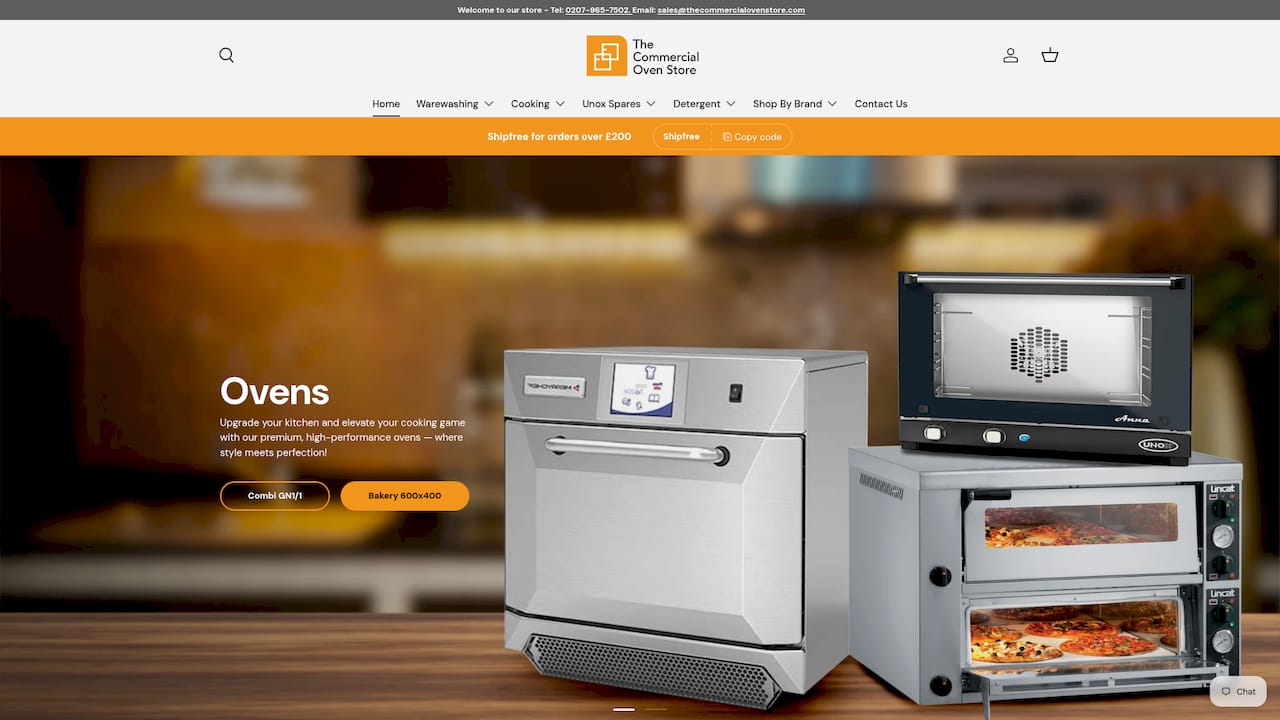
If a fast front-counter turnaround is your priority, the CIBO/S Countertop Fast Oven is built for exactly that 90 second cycle, while bakeries weighing up tray capacity can look at the XB893 Bakerlux oven or the wider Lincat range for grilling and finishing stations. Request a site survey through Thecommercialovenstore and ask the team about iwocaPay when you enquire. You’ll get a written quote that covers the oven, the install, and the ventilation question, before you commit to anything.
Sources
- How to Choose the Right Commercial Oven for Your Business
- Best Commercial Ovens: Buying Guide | Electrolux Professional
- Commercial kitchen extraction (AndServe)
- Speed oven vs combi oven: engineering audit (KW Commercial Kitchen)