

A manual fill combi oven makes steam from water you pour into a tank or reservoir yourself, rather than from a mains pipe fixed to the machine. It still bakes, roasts and steams like any combi. The difference is who supplies the water: a person with a jug, or a plumber with a connection. For a professional kitchen that steams all day, that difference decides how smooth service feels, so it is worth understanding before you buy.
This guide explains how the tank works, which cooking modes you get, what a UK kitchen should check before installing any combi, and where a mains-connected or plug-in model fits better.
TL;DR
- A manual fill combi oven takes water from a detachable tank or reservoir that someone refills; a plumbed combi draws water straight from the supply.
- Manual-fill designs are common in residential steam ovens, while direct plumbing is more common in commercial kitchens where steam is used often.
- Every combi, however it is filled, needs a sound energy supply, water quality planning and regular servicing to keep working.
- If steam will run through every service, choose the water arrangement first, then the size and fuel.
- Our team can match a combi to your menu, site and budget, with installation and flexible payment options.
Table of Contents
- What a manual fill combi oven actually is
- Manual fill versus plumbed-in: a side-by-side view
- The cooking modes you get
- What a UK kitchen should check before installing a combi
- Looking after a manual fill combi
- When a plumbed or plug-in combi is the better fit
- Our perspective
- Talk to us before you choose
- FAQ
- Sources
What a manual fill combi oven actually is
A combi oven combines a fan-assisted dry oven with a steam source. “Manual fill” describes how that steam source is fed. Instead of a fixed water inlet, the oven has a container, either a tank that slides out or a reservoir you pour into. You fill it before cooking, and the oven turns that water into steam when the programme calls for it.
There are broadly three ways a combi gets its water. Some have a water tank that is filled to create steam, some are plumbed to a water source by a plumber, and some are fed from a jug. The word “manual” covers the first and third.
In a plumbed unit the water line is permanent. Nobody carries water, nobody forgets to top up, and the oven can steam for as long as the menu needs. In a manual fill unit you trade that continuity for simpler installation, because there is no water connection to arrange for the supply side.

How the tank supplies steam
In tank-fed ovens the tank is detachable and refilled before cooking. The oven generates steam automatically when it needs it, and if the water runs low it detects this and tells you to refill. That alert matters in a busy kitchen: a half-empty tank during a long roast is the usual cause of a stalled programme.
How the steam is made inside the cabinet also varies. The US Environmental Protection Agency’s WaterSense guidance separates boiler-based combination ovens, which use a tank system that boils water, from boilerless ovens, which spray water from a self-contained reservoir onto a heat source. It adds that boilerless ovens are typically drained and refilled each day. That is a US document, but the two steam-generation methods are the same ones UK buyers meet. Ask which one a given model uses, because it affects how often you handle water and how the oven recovers after a burst of steam.

Who it suits
A tank-fed combi can make sense where steam is an occasional extra rather than the backbone of the menu, or where a site has no easy route for a water line, such as a pop-up unit, a small cafe counter or a mobile catering setup. Think of the daily routine honestly: who fills the tank at opening, who empties it at close, and what happens at 12:30 when it runs low with a rack of food inside.
If the oven will be used several times a day, one reviewer’s advice is to consider how you will live with the steam system day to day, not only the purchase price. That holds even more in a commercial kitchen.
Manual fill versus plumbed-in: a side-by-side view
| Question | Manual fill (tank or jug) | Plumbed-in |
|---|---|---|
| Where does water come from? | A detachable tank or reservoir, refilled by staff | A fixed connection to the water supply |
| Installation | No water inlet to connect | Water supply, and drainage, arranged on site |
| Daily routine | Fill before service, top up when alerted | Nothing to carry or top up |
| Steam-heavy menus | Needs watching during long services | Suited to frequent steam cooking |
| Typical setting | Occasional steam, small or flexible sites | Restaurants, bakeries, hotels, catering kitchens |
Use the table as a starting point, not a verdict. A busy bakery proofing and steaming from first light will feel the routine of refilling far more than a cafe that steams vegetables twice a day.
The cooking modes you get
Whatever the filling method, a combi gives you three kinds of heat, and good results come from knowing when to use each.
- Convection (dry heat). A fan moves hot air around the chamber, as in a conventional convection oven. Use it for roasting, baking pastries, crisping and anything that should brown without added moisture.
- Steam. The chamber fills with moist heat at lower temperatures. It suits vegetables, fish, rice, eggs and regenerating cooked dishes without drying them out.
- Combination. Steam and dry heat run together. It keeps meat juicy while still colouring the surface, and it helps bread rise and develop a crust.
Temperature ranges differ by model. As one example, a manufacturer’s datasheet for an electric direct-steam combi lists convection from 30 to 300°C and steam from 30 to 130°C. Always read the range in the specification of the exact oven you are considering.
For a manual fill unit, combination and steam programmes are where water consumption is highest, so a small tank can limit how long you stay in those modes. Check the tank capacity against your longest steam programme.
What a UK kitchen should check before installing a combi
The Foodservice Equipment Association’s buyer guidance states that installing a combi needs a water supply and an energy supply, and that combis run on electric, mains gas or LPG. Even with a tank, you still need the right power or gas, ventilation and space. Work through these checks.
1. Fuel and power
Confirm whether your site has the electrical capacity or the gas supply for the model. Larger electric combis can draw a substantial load, so have an electrician confirm the supply before ordering. Gas models need a competent installer and suitable ventilation. Our guide to combi oven installation requirements in the UK covers the four on-site failures we see most often, and our site-readiness guide walks through the full list.
2. Water quality and scale
FEA advises looking at how the steam is generated and notes that a water filtration system is needed to remove dissolved salts and prevent scaling. This applies to tank water as much as to mains water. Hard water leaves limescale on the steam components, and filling a tank from the tap every morning is no exception. Our operator’s guide to water hardness for combi ovens explains how to find out what you are dealing with and how to plan for it.
3. Capacity and layout
Count the trays you load at your busiest point, not on an average day. Size the oven by the pans it must hold at peak, then check the door swing, the stand height and the clearance around it. Our combi oven capacity guide shows how to avoid delays that come from choosing a unit that does not fit the room or the workload.
4. Drainage and ventilation
Steam leaves moisture in the room and, in most designs, wastewater has to go somewhere. Look at drain requirements for combi ovens before you settle on a position. If you plan to cook pizza or other high-heat food in it, check your extraction first; our note on ventilation before buying a combi for pizza explains why.
5. Service and maintenance
FEA states that regular service and preventative maintenance is important because it can spot problems before they become expensive. Put it in the calendar when you buy. Our guides to commercial oven maintenance and combi oven cleaning set out sensible routines for kitchen teams.
Looking after a manual fill combi
A tank-fed oven asks for a few extra habits on top of normal combi care.
- Use the right water. Fill with water suited to the manufacturer’s instructions, treated if your supply is hard. Follow the manual for the exact requirement.
- Empty at close. Standing water in a tank or reservoir is a poor idea overnight. As the EPA document notes for boilerless designs, daily draining and refilling is typical practice.
- Run the cleaning programme as instructed. Cleaning schedules and detergents are specified by the manufacturer; follow them rather than improvising.
- Watch for low-water alerts. Treat the warning as a service interruption in the making and keep a clean jug or container at hand.
- Book servicing. Scale and worn seals show up first as slower steam or longer cooking times.
If your team changes often, write the opening and closing routine on a card next to the oven so it happens the same way every day.
When a plumbed or plug-in combi is the better fit
If steam runs through service, as it does in most restaurant, bakery and catering kitchens, a mains-fed combi takes the water chore off your staff entirely, which is why direct plumbing is the more common choice in commercial settings. Our range is built around that need. The Rational iCombi line covers the iCombi Classic 10-1/1 electric for smaller kitchens, and larger formats such as the iCombi Pro 20-1/1 electric, the iCombi Pro 20-2/1 electric and gas versions such as the iCombi Classic 20-1/1 gas for high-volume sites. Unox combis are on our Unox combi ovens page.
If you want a combi without a complicated install, read our piece on site-ready plug-in combi ovens, and if you are preparing a fixed connection, our guide to preparing combi plumbing to pass commissioning lists what the installer will look for.
Our perspective
We talk to kitchens every week that want steam without the fuss, and the question is nearly always the same: who is going to fill it, and when? A manual fill combi answers the installation question. It does not answer the service question.
Our advice is to start from the menu. Count how many services use steam, how long each programme runs and how many people touch the oven in a day. Then choose the water arrangement, and only then the size and fuel. Kitchens that do it in that order rarely regret the purchase.
That is why we sell genuine Rational and Unox combis, and why we talk through the site with you before you order: water, drainage, power or gas, ventilation, and who will clean it. We also offer installation, and flexible payment through iwocaPay or lease finance, so the right oven does not have to wait for the perfect month in the accounts.
Simon
Talk to us before you choose
Choosing between a tank-fed, plug-in or plumbed combi is easier with a second pair of eyes on your kitchen. Our team gives personalised advice on size, fuel and water arrangements, can arrange professional installation, and offers flexible payment and lease finance for business purchases. Browse the full combi and commercial oven range or start with the homepage to ask for advice.
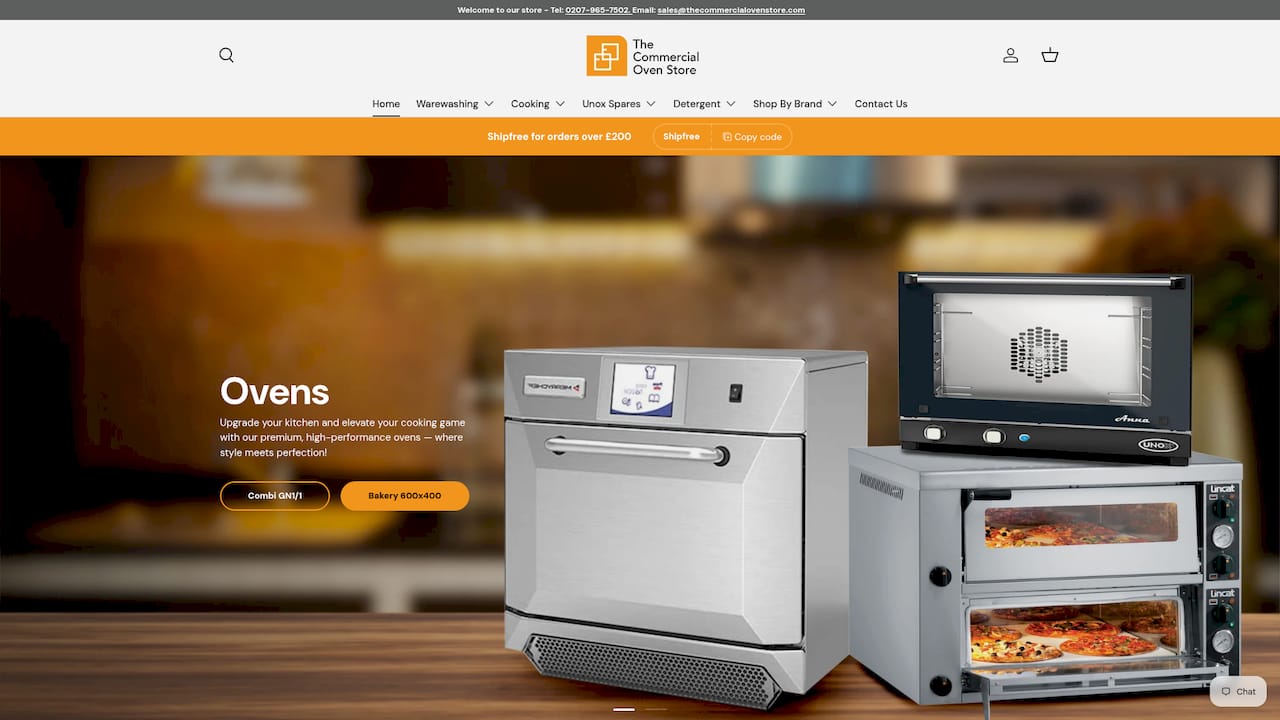
If your kitchen leans towards baking, our bakery ovens and convection ovens are worth a look beside the combis.
FAQ
What does manual fill mean on a combi oven?
It means the oven makes steam from water that you add yourself, through a removable tank or a reservoir, rather than from a fixed water connection. The oven turns the water into steam when a programme needs it. When the level drops, it alerts you to refill.
Do manual fill combi ovens need plumbing?
They do not need a water inlet, which is their main attraction. They still need a suitable energy supply, and the FEA notes that combis run on electric, mains gas or LPG. Check drainage and ventilation before you choose a position.
Do I still need water treatment with a tank?
Yes. Dissolved salts in the water cause scale whichever way the water arrives, and FEA recommends water filtration to prevent scaling. Find out your local water hardness and follow the manufacturer’s water requirements.
How often do you refill the tank?
That depends on tank size and how much you use steam and combination modes. The oven warns you when the level is low. In a boilerless design, the EPA notes the reservoir is typically drained and refilled each day.
Which combi should a busy restaurant choose?
Start with how often you use steam and how many trays you load at peak. Our advisers can match a Rational or Unox combi to your menu, power or gas supply and water arrangement. Contact us through the site for advice.
Sources
- What Is A Combi Steam Oven? (The Combi Steam Queen)
- Does A Combi Steam Oven Need Water Supply Or Plumbing? (Fujioh)
- WaterSense at Work, Section 4.3: Combination Ovens (US EPA)
- Combi oven buyer guide (Foodservice Equipment Association)